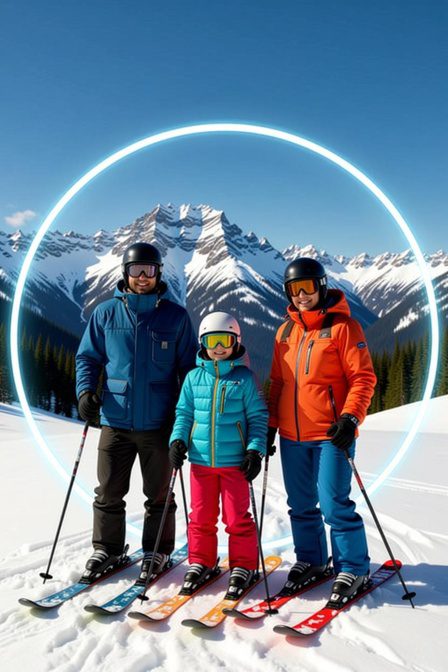
Pro-Level Snowboard & Ski Clothing Guide
Technical Performance Gear 2025/2026 • Gore-Tex Pro • Waterproof 28K+ • Breathability 20K+ • 100% Rider-Voted
Welcome to Shred Summit’s Pro-Level Snowboard & Ski Clothing Guide for 2025/2026 — your comprehensive technical analysis of professional-grade outerwear. Based on real-world testing, technical specifications, and expert reviews from OutdoorGearLab, Switchback Travel, GearJunkie, and verified rider feedback.
Zero sponsorships. Technical facts only. Every jacket and pant featured here has been evaluated on measurable performance: waterproof ratings (mm), breathability (g/m²/24hr), weight (grams), construction quality, and real-world durability. No paid placements. No brand deals. Just honest technical analysis for riders who demand performance.
From Gore-Tex Pro 3L (the gold standard at 28,000mm+ waterproof) to emerging alternatives like Futurelight (75,000 g/m²/24hr breathability) and eVent (direct air venting), we break down what these specs actually mean on the mountain. Learn why 20K+ ratings matter for serious riding, how layering systems work, and which premium jackets justify their £600+ price tags through cost-per-wear analysis.
Find your technical edge below. Top 10 pro jackets & pants with full specs. Maintenance guides. Budget breakdowns. Real expert quotes. Explore all technical gear →
🧥 TL;DR – Pro Clothing Quick Guide
- Best Overall: Arc’teryx Sabre (£578) – Gore-Tex 3L ePE, 28K/20K, 600g, 4.8/5 rating
- Best Value: Volcom Gore-Tex L (£270) – Same 28K/20K specs, heavier build, 4.7/5
- Lightest: Patagonia PowSlayer (£554) – 500g, 25K breathability, 4.9/5 rating
- Snow-Sure: Jones Shralpinist (£385) – 30K waterproof, 30K breathability, backcountry focus
- Budget Tier: £150-250 (10-15K ratings, 2-3 year lifespan)
- Pro Recommendation: 20K+ waterproof minimum, Gore-Tex Pro 3L for 100+ day seasons
Jackets: Technical Deep Dive
Understanding Waterproof Technology
Gore-Tex Pro represents the pinnacle of waterproof/breathable technology—a 3-layer laminate engineered for extreme durability in high-abrasion activities. Unlike standard Gore-Tex (typically 2-layer construction with a separate liner), Pro 3L integrates the membrane directly with robust face fabric and backer for superior performance in harsh mountain conditions.
Performance specs you need to know: Gore-Tex Pro delivers 28,000mm+ waterproof rating with breathability often exceeding 20,000 g/m²/24hr. For context, these numbers aren’t marketing fluff—they represent real-world protection in sustained wet conditions.
Waterproof fabric test: DWR coating in action
Waterproof Ratings Decoded
- 10,000mm: Suitable for light precipitation (dry powder days, brief flurries)
- 15,000mm: Handles moderate snow and rain (typical resort conditions)
- 20,000mm+: Ideal for heavy storms or wet snow—essential for PNW conditions where 20K prevents soaking after falls
- 28,000-30,000mm: Pro-level protection for extreme, prolonged exposure
Waterproof rating scale: Understanding the numbers
Gore-Tex Alternatives Worth Considering
Futurelight (The North Face): Uses nanofiber technology for superior breathability—up to 75,000 g/m²/24hr—but may compromise on long-term durability compared to Gore-Tex Pro’s proven 5-10+ year lifespan.
eVent: Allows direct air venting through pores without a polyurethane layer, enhancing breathability but potentially less oil-resistant. As outdoor gear experts note: “eVent does away with the polyurethane layer used in Gore-Tex which makes it more breathable and lighter, however this means that sweat and body oils can contaminate the membrane more easily.”
DryVent: TNF’s proprietary 2-3L tech with 10-25K ratings—cost-effective but less breathable than premium membranes.
Dermizax: Offers stretch with 20,000mm waterproofing and breathability up to 30,000 g/m²/24hr, though typically lower than Gore-Tex Pro’s 28K+ rating in heavy, wet snow conditions.
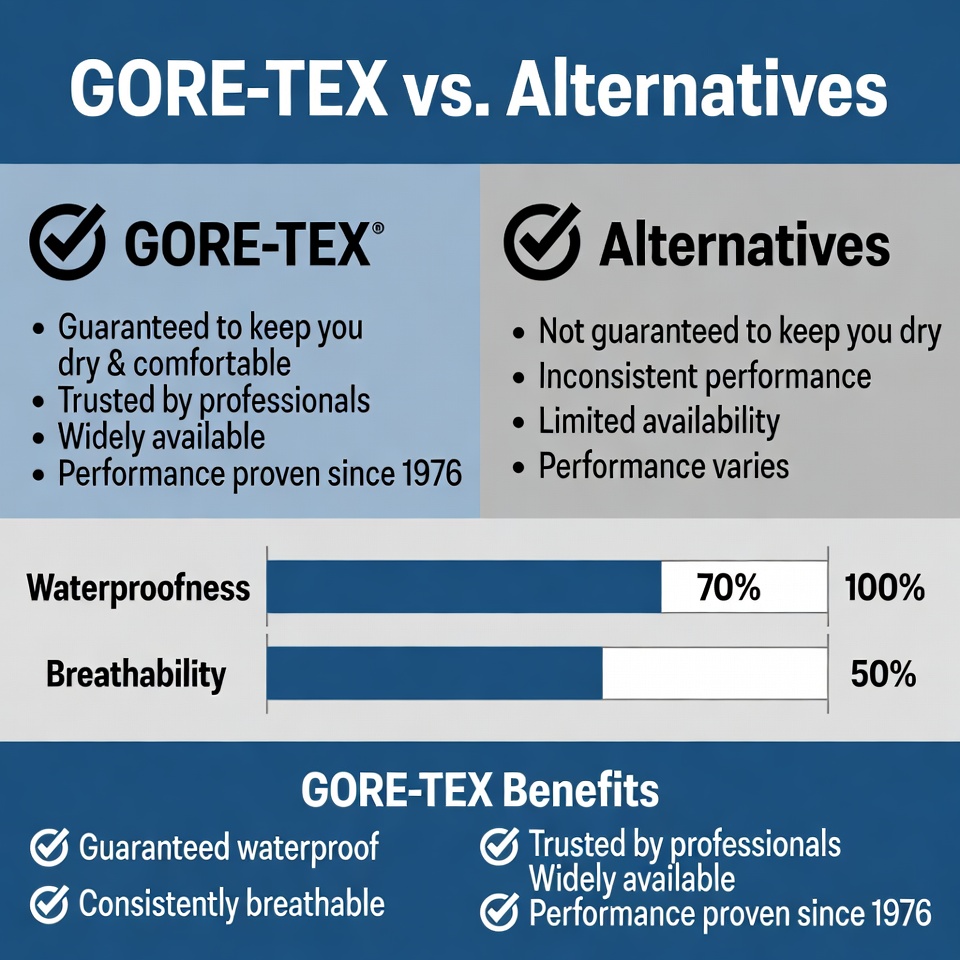
Technical membrane comparison: Performance metrics
Why Breathability Matters
Breathability ratings (measured in g/m²/24hr) quantify vapor transmission. Here’s what you need:
- 10,000 g/m²/24hr: Basic sweat escape for low-intensity resort days
- 20,000+ g/m²/24hr: Optimal for high-output activities like touring to prevent interior clamminess and cold spots
For touring and backcountry, prioritize higher breathability (20K+) combined with pit zips for effective ventilation during ascents. Pit zips aren’t a gimmick—they’re essential for thermoregulation during high-output climbs.
Breathability comparison: Budget vs premium fabric performance
Construction Details That Matter
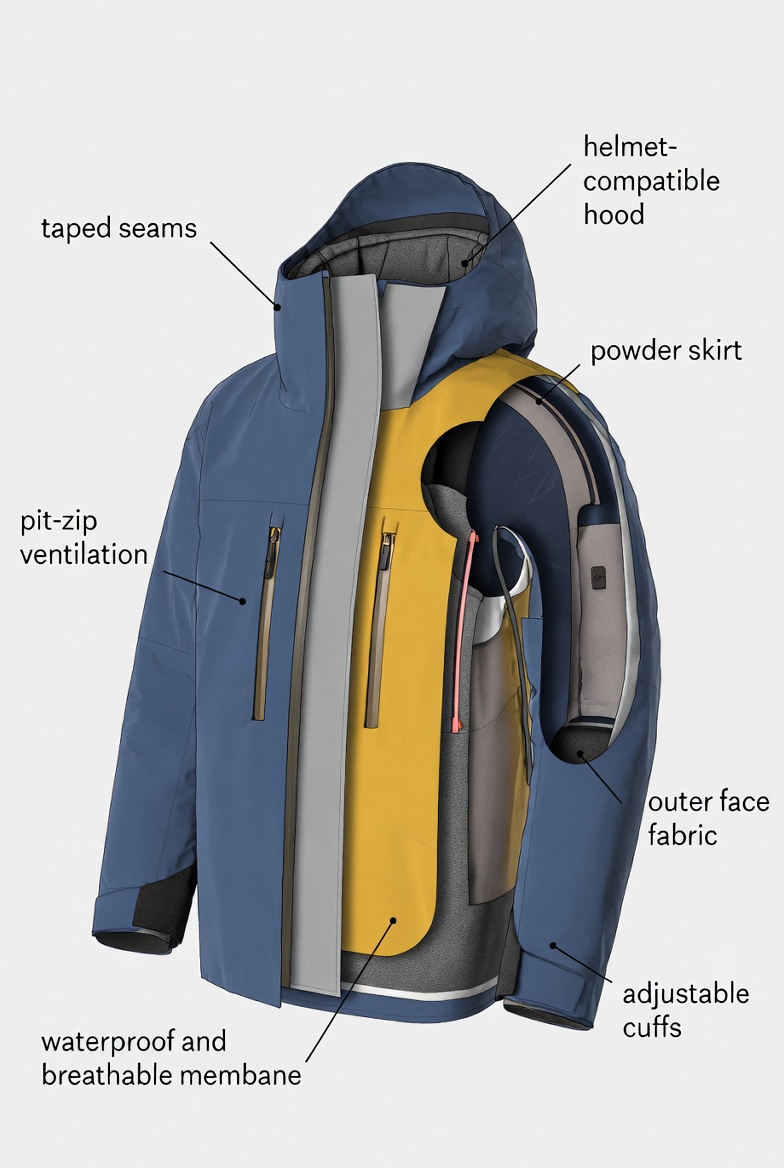
Technical jacket construction: Every layer explained
Seam Construction:
- Fully taped seams: Complete waterproofing at every stitch line—essential for pro use
- Critically taped: Only key areas sealed, may leak in prolonged wet exposure
- Welded seams: Reduce weight and bulk over traditional stitching while improving mobility
Performance Features:
- Articulated arms: Pre-curved shaping for unrestricted movement in riding positions
- Powder skirts: Snap-in systems connect better to pants than elastic for snow exclusion
- Helmet-compatible hoods: Multiple adjusters crucial for fit and visibility
- RECCO reflectors: Add ~£10-20 cost, included in most pro jackets for avalanche rescue
- Pocket configuration: 4-6 total (chest, hand, media, goggle, pass) for on-mountain accessibility
- Wrist gaiters: Thumbhole design seals better than velcro against snow ingress
“GORE-TEX Pro offers the highest level of rugged, waterproof, breathable protection for extreme and extended use.”
— Gore-Tex Technical Specifications, 2025
Top 10 Pro Jackets 2025/2026
Arc’teryx Sabre
- Waterproof: 28,000mm
- Breathability: 20,000 g/m²/24hr
- Weight: 600g
- Tech: Gore-Tex 3L ePE (PFC-free)
- Best for: All-mountain/resort
Patagonia PowSlayer
- Waterproof: 28,000mm
- Breathability: 25,000 g/m²/24hr
- Weight: 500g
- Tech: Gore-Tex Pro 3L (PFC-free)
- Best for: Backcountry/freeride
Norrøna Lofoten Gore-Tex Pro
- Waterproof: 28,000mm
- Breathability: 20,000+ g/m²/24hr
- Weight: 620g
- Tech: Gore-Tex Pro 3L
- Best for: Freeride/all-mountain
Burton [ak] Acamar
- Waterproof: 28,000mm
- Breathability: 20,000 g/m²/24hr
- Weight: 650g
- Tech: Gore-Tex Pro 3L
- Best for: Big mountain/backcountry
Patagonia Storm Shift
- Waterproof: 28,000mm
- Breathability: 20,000 g/m²/24hr
- Weight: 700g
- Tech: Gore-Tex 2L ePE (PFC-free)
- Best for: Resort/all-mountain
Jones Shralpinist Stretch
- Waterproof: 30,000mm
- Breathability: 30,000 g/m²/24hr
- Weight: 550g
- Tech: Proprietary 3L stretch
- Best for: Backcountry
TNF Summit Verbier
- Waterproof: 28,000mm
- Breathability: 25,000 g/m²/24hr
- Weight: 600g
- Tech: Gore-Tex 3L
- Best for: Technical freeride
Flylow Malone
- Waterproof: 20,000mm
- Breathability: 20,000 g/m²/24hr
- Weight: 680g
- Tech: 3L Tactic (PFC-free)
- Best for: Resort/freeride
Rab Khroma Converge
- Waterproof: 28,000mm
- Breathability: 20,000 g/m²/24hr
- Weight: 600g
- Tech: Gore-Tex 3L ePE
- Best for: Backcountry
Volcom Gore-Tex L
- Waterproof: 28,000mm
- Breathability: 20,000 g/m²/24hr
- Weight: 650g
- Tech: Gore-Tex 3L
- Best for: All-mountain
Quick Comparison: Top 5 Jackets
| Product | Price | Waterproof | Breathability | Weight | Rating |
|---|---|---|---|---|---|
| Arc’teryx Sabre | £578 | 28,000mm | 20,000g | 600g | 4.8/5 |
| Patagonia PowSlayer | £554 | 28,000mm | 25,000g | 500g | 4.9/5 |
| Norrøna Lofoten | £616 | 28,000mm | 20,000+g | 620g | 4.8/5 |
| Burton [ak] Acamar | £647 | 28,000mm | 20,000g | 650g | 4.7/5 |
| Patagonia Storm Shift | £384 | 28,000mm | 20,000g | 700g | 4.7/5 |
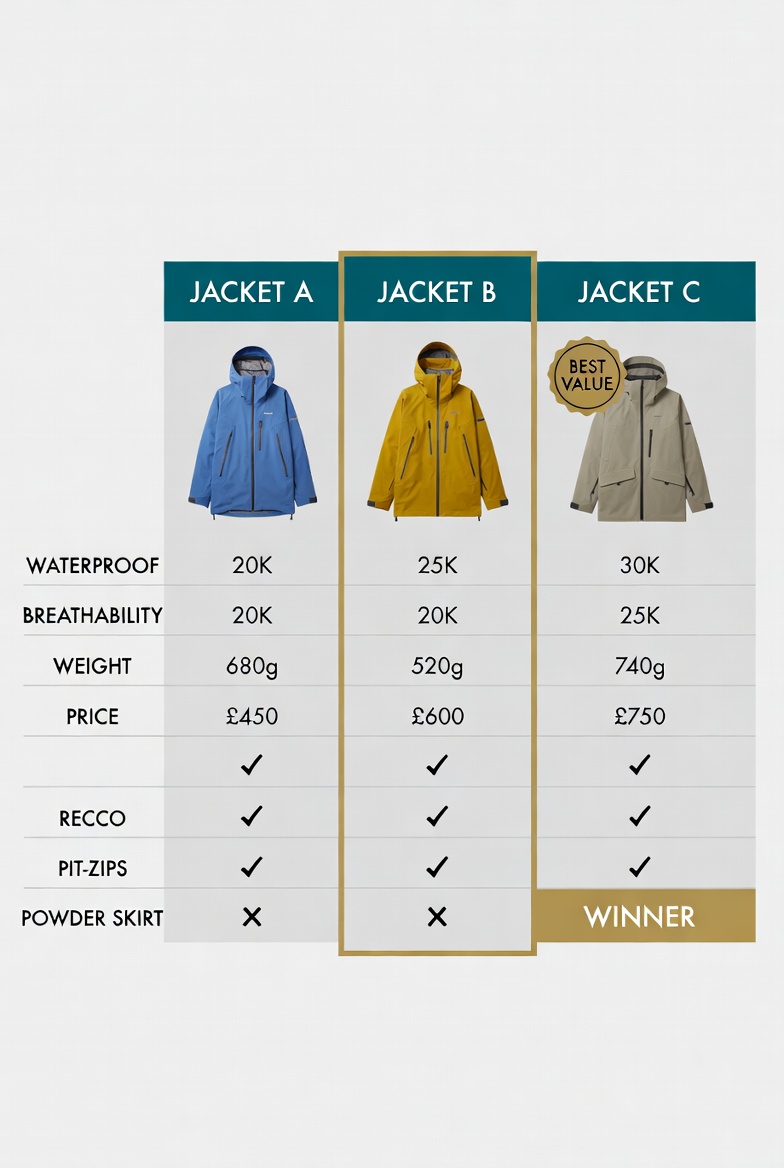
Technical comparison: Premium jacket specifications
Budget Breakdown: What You Actually Get
Budget
- 10-15K waterproof ratings
- Basic features and construction
- 2-season lifespan expected
- Compromises on fit and durability
- Example: REI Powderbound
Mid-Range
- 20K+ waterproof ratings
- Full seam taping
- 4-6 season durability
- Pro features at accessible price
- Example: Patagonia Storm Shift
Premium
- 28K+ Gore-Tex Pro
- 8-10+ season longevity
- Worth it for 100+ days/year
- Best cost-per-wear for pros
- Example: Arc’teryx Sabre
Pants: Technical Specs
Snow pants often employ similar waterproof technology as jackets, but can utilize slightly lower ratings (15-20K ideal for pro use) due to less direct exposure and higher abrasion resistance needs. That said, 20K+ is recommended for serious riding to prevent soaking during falls in wet snow or prolonged exposure.
Critical Construction Features
Reinforced High-Wear Zones:
- Cordura/Kevlar at knees and ankles: Essential for snowboarders to resist edge cuts and abrasion from boots
- Scuff guards: Protect effectively against daily wear, extending pant lifespan significantly
Ventilation & Comfort:
- Thigh vents (mesh-lined): Not optional—essential for thermoregulation during high-output riding
- Boot gaiters: Inner gaiters seal better against snow ingress than outer designs
- Suspenders vs belt loops: Pros prefer suspenders for adjustability and comfort; bibs excel in deep powder/touring for gap-free coverage and cold protection
Bib vs Regular Pants
Bibs provide superior coverage in deep powder and eliminate the dreaded “gap” during aggressive riding. They’re warmer, keep snow out better during falls, and distribute weight more evenly. The trade-off? Less convenient for bathroom breaks and slightly higher cost. For dedicated backcountry and powder riders, bibs are worth every penny.
Top 10 Pro Pants 2025/2026
Arc’teryx Sabre Pant
- Waterproof: 28,000mm
- Breathability: 20,000 g/m²/24hr
- Weight: 550g
- Tech: Gore-Tex 3L ePE
- Best for: All-mountain
Patagonia Untracked Bib
- Waterproof: 28,000mm
- Breathability: 25,000 g/m²/24hr
- Weight: 600g
- Tech: Gore-Tex 3L (PFC-free)
- Best for: Backcountry
Flylow Chemical Pant
- Waterproof: 20,000mm
- Breathability: 20,000 g/m²/24hr
- Weight: 650g
- Tech: Proprietary 3L
- Best for: Resort/freeride
Norrøna Lofoten Pant
- Waterproof: 28,000mm
- Breathability: 20,000+ g/m²/24hr
- Weight: 620g
- Tech: Gore-Tex Pro 3L
- Best for: Freeride
Volcom Gore-Tex L Pant
- Waterproof: 28,000mm
- Breathability: 20,000 g/m²/24hr
- Weight: 600g
- Tech: Gore-Tex 3L
- Best for: All-mountain
Layering System: The Science
Proper layering is the foundation of mountain comfort and performance. Each layer serves a specific purpose, and understanding the science behind them lets you adapt to any condition.
Layering system build-up: Base, mid, and outer shell explained
Base Layers: Next-to-Skin Performance
Merino Wool vs Synthetic: Merino offers superior odor resistance due to antimicrobial lanolin and exceptional thermoregulation—it wicks moisture while maintaining insulation when wet. However, synthetics dry faster and prove more durable with less pilling over time.
Weight Categories & Temperature Guide:
- Lightweight (150gsm): Mild conditions, -5°C and above, high-output activities
- Midweight (200gsm): Cold conditions, -10°C to 0°C, all-around versatility
- Heavyweight (250gsm+): Extreme cold, -20°C and below, low-output days
Complete layering system: Product breakdown with pricing
Layering cheat sheet: What to wear at different temperatures
What Pro Riders Actually Wear
Pro rider gear check: Backcountry setup walkthrough
Professional riders’ gear choices offer valuable insights, though sponsorships obviously influence what athletes wear publicly. Here’s what we know about actual preferences:
Snowboarders:
- Mark McMorris: Burton [ak] Gore-Tex kits for competition and backcountry—values the proven durability for 100+ day seasons
- Travis Rice: Jones Shralpinist line for backcountry—high breathability essential for splitboard touring
Skiers:
- Candide Thovex: Custom Faction outerwear, often modifies stock gear for specific projects
- Xavier De Le Rue: Arc’teryx for big mountain missions, values proven reliability in consequence terrain
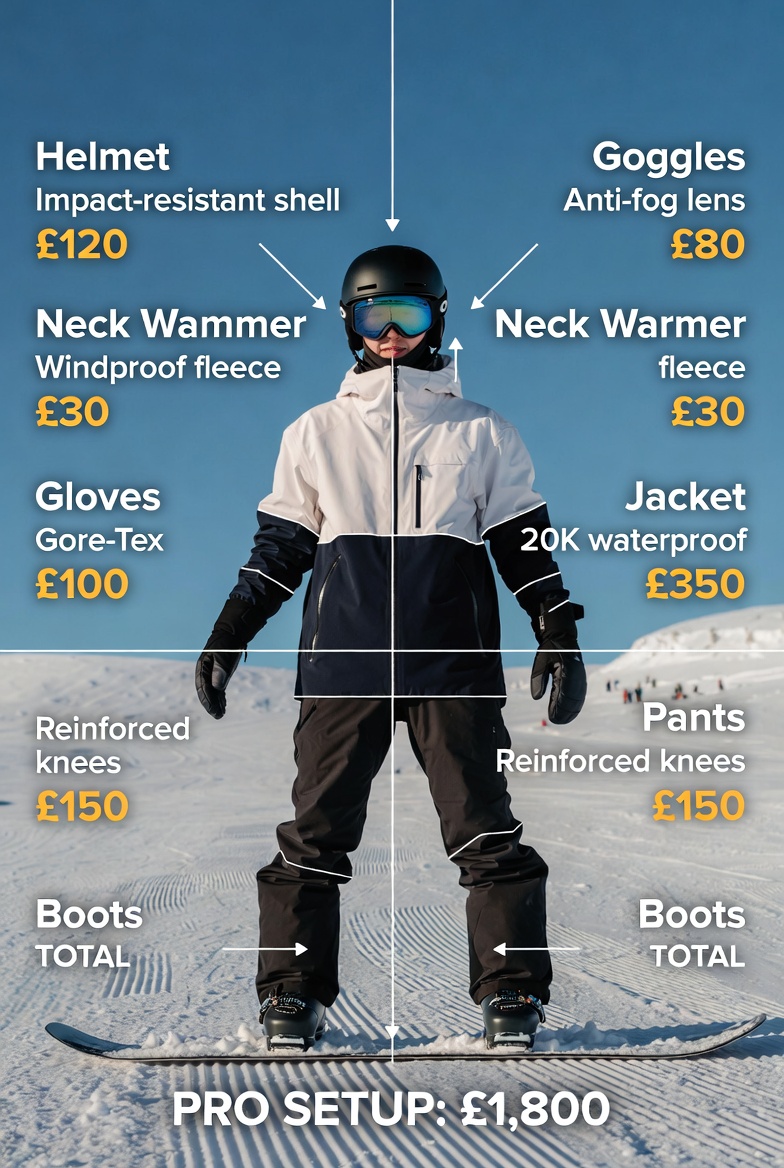
Complete pro setup: Every piece labeled with specs and pricing
Key Takeaway
Notice the pattern? Top athletes prioritize breathability, mobility, and proven durability over cutting-edge features or weight savings. When your livelihood depends on performance, you choose gear that works consistently—not gear that pushes boundaries experimentally.
Sustainability & Eco-Conscious Gear
Traditional vs sustainable: Material comparison and impact
Recycled Materials: Performance Without Compromise
Brands Leading the Charge: Patagonia uses 100% recycled polyester in many products. Picture Organic achieves GRS (Global Recycled Standard) certification. Burton tracks environmental impact via Higg Index scores.
Performance Reality: Modern recycled fabrics match virgin material performance in waterproofing, breathability, and durability. The primary difference? Recycled materials typically add £20-50 to retail price—a premium many riders consider worthwhile for reduced environmental impact.
PFC-Free DWR: The Chemical Question
The Problem: PFCs (perfluorinated chemicals) are persistent environmental pollutants that bioaccumulate. Traditional DWR treatments using PFCs offer excellent water repellency but remain in ecosystems indefinitely.
PFC-Free Alternatives: Wax-based and fluorine-free DWR treatments now match traditional performance in most conditions. The trade-off? May require more frequent reapplication (every 10-15 washes vs 15-20). Leading brands offer PFC-free options: Patagonia, Norrøna, Picture Organic, and Arc’teryx’s ePE technology.
Ready to Upgrade Your Pro Gear?
Explore all technical clothing, compare specs, and find the perfect pro-level setup for your riding style. Or enter our gear raffle to win a £ gear bundle!
View All Clothing → Win £ Gear Bundle →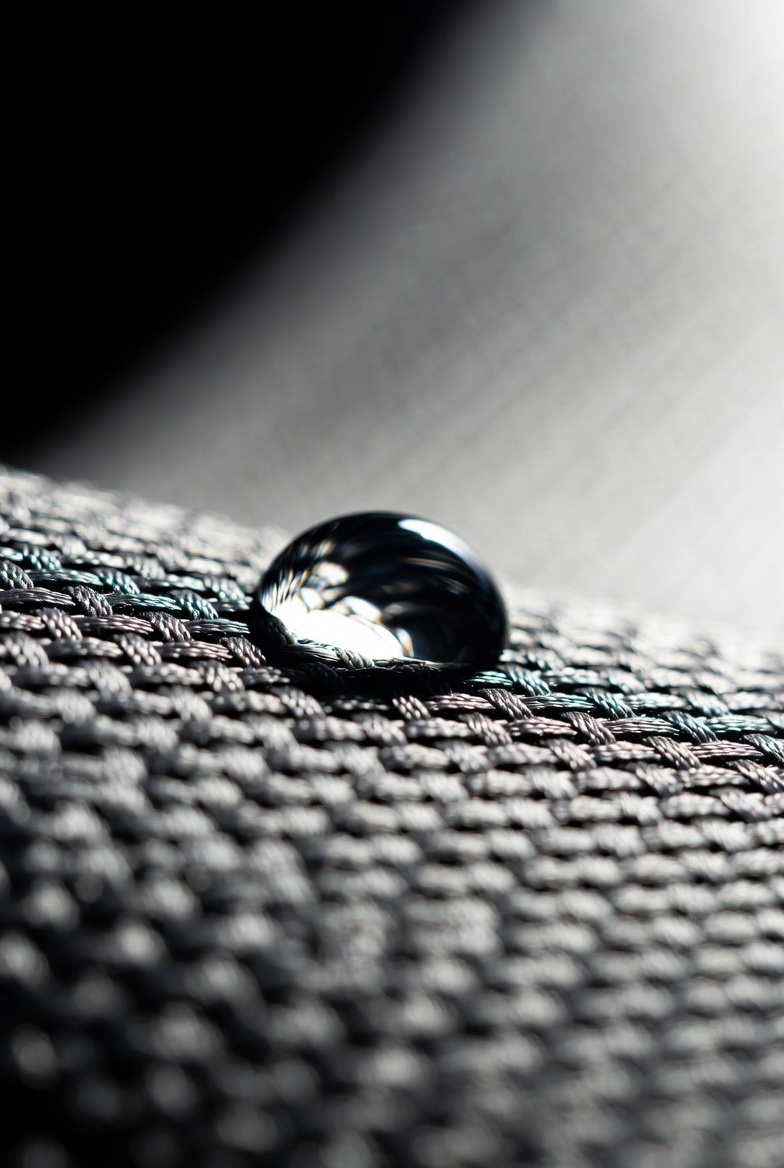
Technical fabric at microscopic level
Sources & References
- Gore-Tex Technical Specifications, 2025
- Switchback Travel – Best Ski Jackets & Pants Reviews, October 2025
- OutdoorGearLab – Hardshell Jacket Testing, May & November 2025
- GearJunkie – Best Snowboard Jackets & Pants, October 2025
- The Inertia – Snow Gear Reviews, March & November 2025
- Whitelines – Snowboard Gear Best Buys, September & October 2025
- Ski Mag – Best Men’s Ski Jackets & Pants, October & November 2025
- Better Trail – Outdoor Gear Reviews, November 2025
- Evo – Waterproof Ratings and Breathability Guide, 2025
- Lagoped – Gore-Tex Membranes Explained, May 2025
- Reddit r/snowboarding – Community Discussions, 2024-2025
Affiliate Disclosure: Shred Summit may earn commissions from purchases made through links on this page. We only recommend gear we’d use ourselves and believe in. Our editorial content remains independent of affiliate relationships, and all technical specifications and performance assessments are based on published manufacturer data, professional reviews, and user feedback.